Bambu Lab A1 vs. H2D – Find the Ultimate Choice
Choosing a 3D printer used to mean spending hours calibrating, leveling beds, and fixing clogs. Bambu Lab completely changed that game, but now they’ve handed buyers a major dilemma. Do you buy the budget-friendly, open-frame Bambu Lab A1, or shell out premium cash for the massive, enclosed flagship Bambu Lab H2D?
I bought, own, and run both of these machines daily for everything from quick multi-color prototyping to printing massive, rugged, full-scale components. After hundreds of combined print hours, the truth is that these machines represent two completely different tiers of technology. Here is my completely honest, hands-on breakdown of whether the industrial-grade features of the H2D actually deserve your hard-earned money.
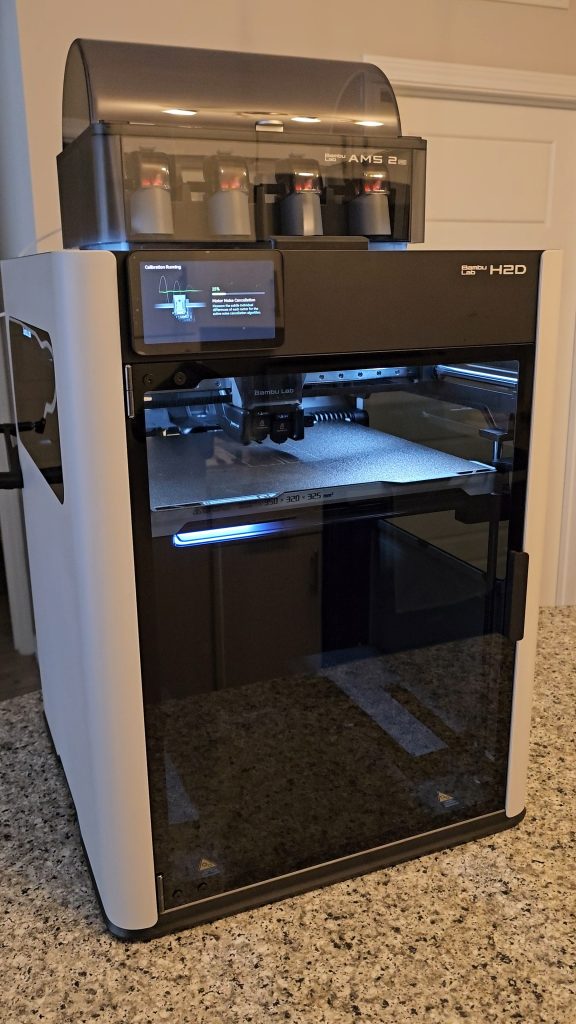
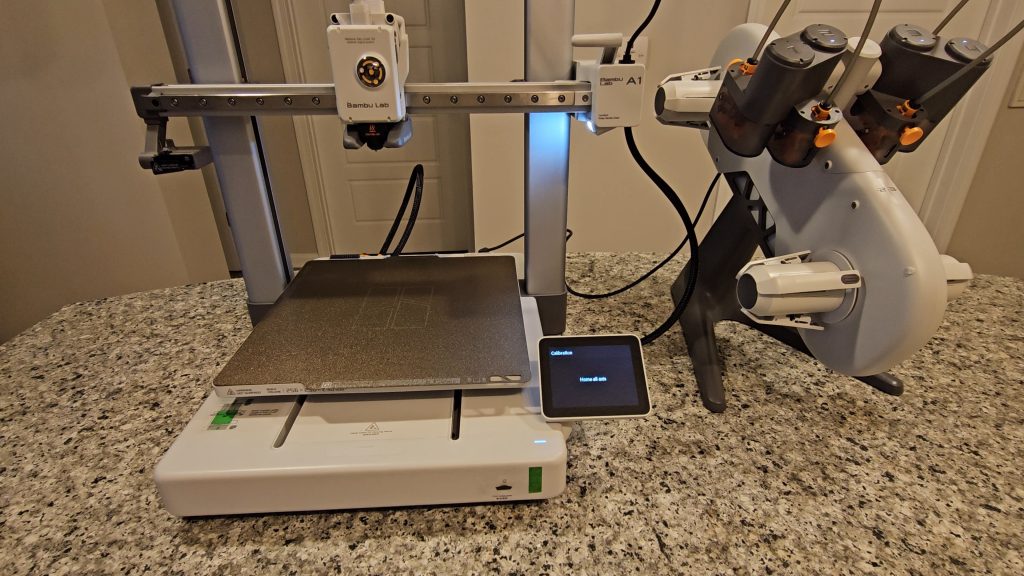
The Bambu Lab A1 is an ideal, budget-friendly choice for hobbyists focusing on standard materials, while the H2D is a, industrial-grade machine featuring a massive, enclosed build volume and a true dual-nozzle system for advanced engineering materials. The H2D offers superior capabilities for complex, large-scale projects, whereas the A1 excels in ease of use and price-performance for everyday printing.
While both machines deliver the flawless, “it just works” experience that Bambu Lab is famous for, they belong in completely different leagues. Your choice boils down to what you plan to create and the materials you need to use.
Buy the Bambu Lab A1 if you are a hobbyist or beginner. Or you want incredible print quality without a massive learning curve or a steep financial investment. If you primarily print common plastics. Or your projects only require standard filaments like PLA, PETG, or flexible TPU. If space and budget are priorities and you want a highly capable machine that fits easily on a standard desk and leaves room in your budget for extra filament
Buy the Bambu Lab H2D if you require structural, functional parts and you need to print heavy-duty components (like rugged mounts or protective shells for your DJI Mini 4 Pro drone) using high-temperature, warp-prone engineering materials like Nylon, ABS, ASA, or Polycarbonate. If you build complex, multi-material geometries and you want to utilize the true dual-nozzle toolhead to print dedicated, easily dissolvable support structures, ensuring perfectly clean surfaces on complex mechanical models. If size matters. You frequently run out of space on standard 256mm beds and need the massive 350x320x325mm build volume to print large, single-piece prototypes without cutting them into smaller segments.
The Bottom Line
For 90% of casual creators, the Bambu Lab A1 offers the absolute best price-to-performance ratio on the market. However, if you are a serious maker, engineer, or drone builder who needs maximum material versatility, massive build volume, and zero compromises, the Bambu Lab H2D is an industrial-grade powerhouse that completely justifies its premium price tag.